1931 ‧ Horror ‧ 74m
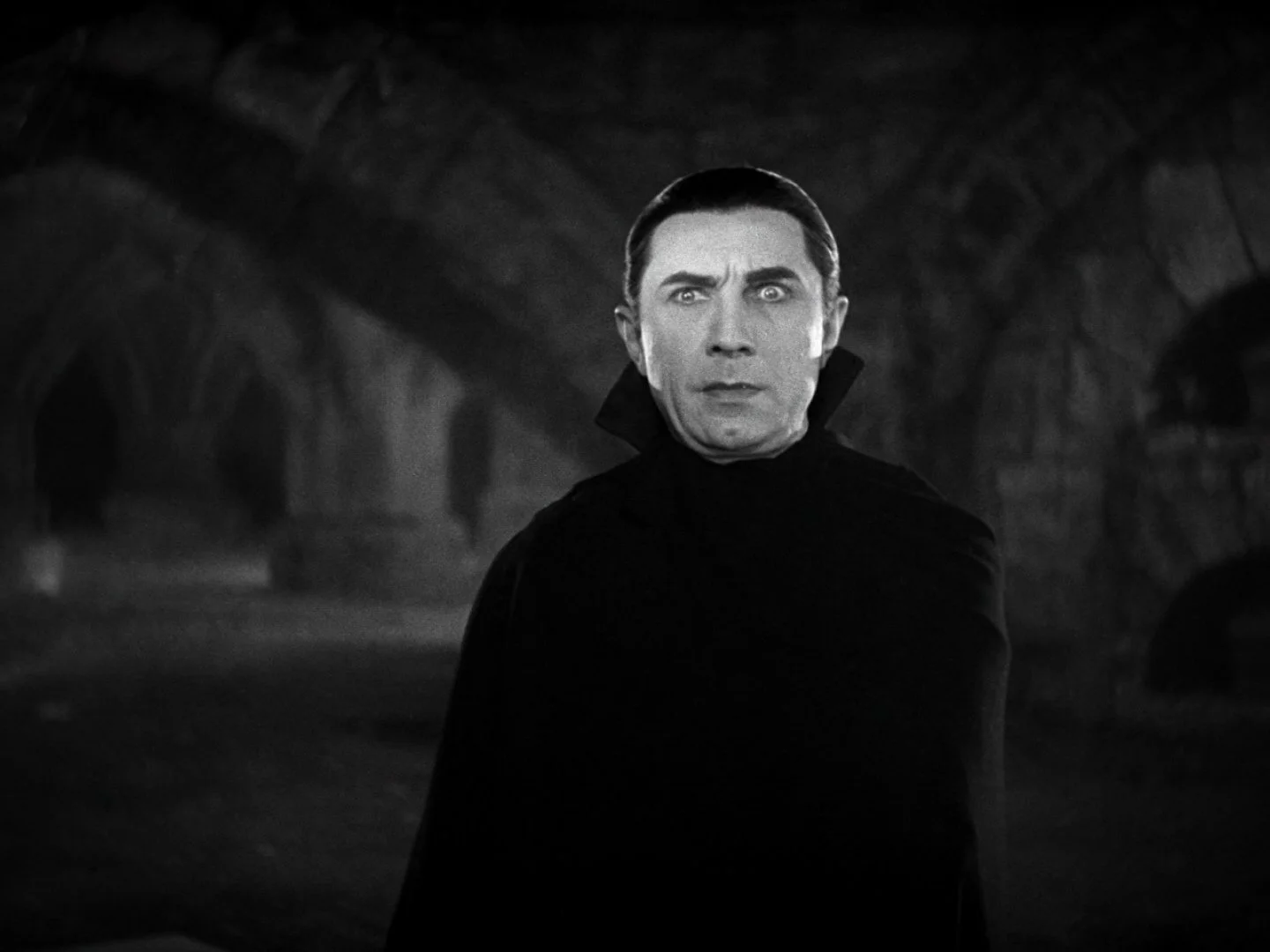
October is a great excuse to watch horror movies in general, but it s an even better excuse to reevaluate the classics. Regal decided to screen 31 older films this month for audiences to experience in cinemas. A new one for each day through Halloween. Tod Browning’s Dracula was one of the selections and the opportunity to see it on the big screen was too good to pass up.
I have been a Universal Monsters fan since I was 6 years old. It started with a Phantom of the Opera interest. I got a copy of the Claude Rains version for Christmas one year. The VHS had this promo for the other Universal Monster titles at the beginning, and I was hooked.
I started buying and watching the tapes and I became a life-long fan. Monster lovers often debate which films ought to be included, but the core films of the Universal Monsters are typically these eight: Dracula, Frankenstein, The Mummy, The Invisible Man, Bride of Frankenstein, The Wolf Man, Phantom of the Opera, and Creature from the Black Lagoon. There are various films connected to these eight, some of which I talk about in a podcast HERE. Throughout the years, I would be able to see them on the big screen at various revival screenings or Fathom type events. I have seen two with a live score, and I have seen Creature from the Black Lagoon in 3D three times. The third time thanks to Regal’s program this year.
Dracula was the last one of the core eight I had not seen in the cinema. Part of this was the opportunity had not arisen, but I was also just not as interested. Dissatisfaction was the main reason. Compared to the James Whale films that came out after it, I found Dracula too stagey and hammy. The concurrently shot Spanish version was more atmospheric and technically interesting. I found Lugosi cool and engaging, but the rest of the movie was somewhat lacking to me. I felt that Browning, the director, had not quite figured out how to make talkies yet, and that was why Dracula did not have the impact expected. I appreciated it, I respected it as important, but it would never be a favorite.
Turns out just watching it on the small screen is what made Dracula suck a little, pardon the pun. I had seen it on televisions on various formats throughout the years, but it was always at home and never in a cinema. With this big screen experience, I was able to easily see what sparked the Universal Monsters movement. Lugosi’s hypnotic performance becomes much more captivating. Browning’s camera work becomes more noticeable and thus easier to appreciate the artistry. Readers are likely thinking it is obvious that the film would be better on the big screen. However, I did not expected what were faults on the small screen to become strengths in the big. Lugosi and Frye’s hammy portrayals somehow fit in a darkened room. The cliché “larger than life”-ness really does add to the overall experience. Browning’s direction still shines in the dialogue-less scenes, but the micro-movements in the dialogue scenes become more moody and full of dread. There are still faults though. The ending feels rushed and the last lines of dialogue are still perplexing. Not all the plot threads are tied up, and let’s face it, the bats are even more unconvincing on a 50 foot plus screen. Perhaps some of these faults play into the charm.
Not everyone can see this on the big screen, but finding the largest television, in the darkest room with the 4k of Dracula is fairly assessable. Give yourself a real treat and see how a whole horror movement got its start.
Old grade: C+
Reevaluation grade: B
~Andrew